Your Cart
-
${ item.product_title }$ ${item.price}

Byron is Nelson Alfonso's tribute to Lord Byron, made by Selected Tobacco, the same house behind Atabey. The cigars are rolled in Costa Rica and rested for years before release, and you can taste the patience.
The line is split by century, 19th, 20th and 21st, each with its own blend. Elegant, refined and made for a slow evening.
-
Byron
Byron Distinguidos (21st Century)
Caramel and white pepper take Distinguidos in a different direction from Aristocratas. The two share... -
Byron
Byron Epique Poemas (19th Century)
Poemas pairs an Ecuadorian Habano wrapper with filler from Peru and the Dominican Republic. That... -

Byron
Byron Londinenses 20th
Byron started as a Cuban brand in the 1800s and was brought back by Nelson... -

Byron
Byron Aristocratas (21st Century)
Eight inches makes Aristocratas a serious time commitment. The width is more familiar, the same... -

Byron
Byron Venecianos
Byron Venecianos is old-school luxury with the volume turned down and the craftsmanship turned all... -

Byron
Byron Mesolongis
Mesolongis takes its name from the Greek town associated with Lord Byron's final days. The...


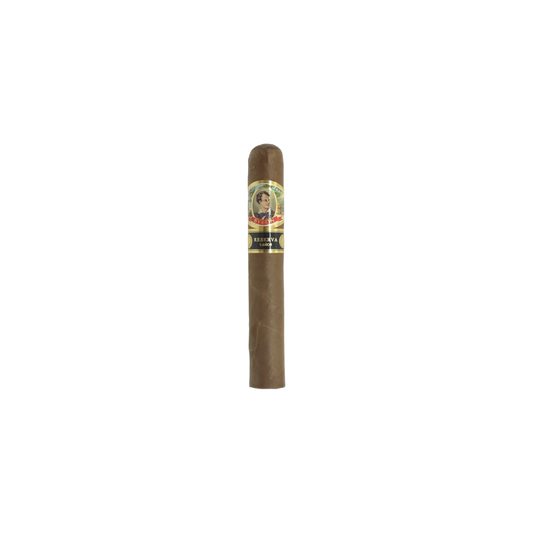


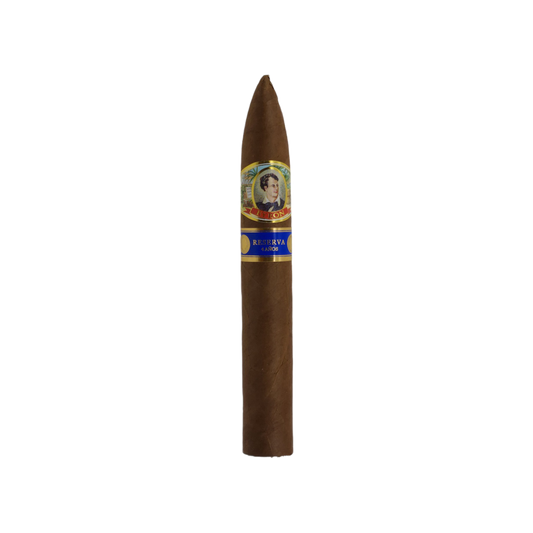


Byron and the cigar as a time capsule
Nelson Alfonso’s Byron takes its name from the poet Lord Byron. The Selected Tobacco project uses centuries as its organizing idea. Nineteenth-, twentieth- and twenty-first-century names give the blends a literary and historical frame, rather than identifying the vintage of the tobacco inside.
Time in the aging room
Costa Rica is the rolling home of Byron. The finished cigars rest for years, giving wrapper, binder and filler time to settle together. That emphasis on aging connects Byron to its sister brand Atabey, even as the century series gives Byron an identity of its own.
Frequently asked questions
How does Nelson Alfonso’s Byron connect to nineteenth-century Havana?
The Alfonso family traces Byron to an earlier Havana cigar named for the English poet. That brand disappeared during the Depression. The modern century series revisits the family name and its literary associations through cigars produced in Costa Rica.
Do Byron’s century designations tell you when the tobacco was harvested?
They organize distinct blends around historical eras. The aging that affects the cigar in the box takes place on a different clock: Selected Tobacco rests the cigars for years after rolling.
Why did Selected Tobacco use 1850 on its anniversary humidor?
The family dates the original Havana brand to 1850. The anniversary presentation brought cigars from the century series together, using the year to recall the original marque rather than to claim nineteenth-century tobacco inside.
What does five years of age mean in a Byron post-roll release?
Selected Tobacco counts that interval from after the cigar has been assembled. Wrapper, binder and filler rest together during those years. That is a separate claim from the age of the individual tobaccos when the roller received them.