Your Cart
-
${ item.product_title }$ ${item.price}
Larutan is natural spelled backwards, and it used to be called exactly that. Drew Estate makes the line with unusual tobaccos from around the world, and the result sits somewhere between a traditional cigar and an ACID.
Aromatic, a little sweet and hard to compare to anything else.
-

Larutan
Larutan Big Jucy - Discontinued
Larutan is natural spelled backwards, and that's the whole idea — Drew Estate's original all-natural... -

Larutan
Larutan Root Deluxe
Larutan is natural spelled backwards, and that's the whole idea — Drew Estate's original all-natural... -

Larutan
Larutan Dirt Torpedo
Larutan is natural spelled backwards, and that's the whole idea — Drew Estate's original all-natural... -

Larutan
Larutan Root
Larutan is natural spelled backwards, and that's the whole idea — Drew Estate's original all-natural... -

Larutan
Larutan NDB
Larutan is natural spelled backwards, and that's the whole idea — Drew Estate's original all-natural... -

Larutan
Larutan Jucy Lucy
Larutan is natural spelled backwards, and that's the whole idea — Drew Estate's original all-natural... -

Larutan
Larutan Elixir 5-50
Larutan is natural spelled backwards, and that's the whole idea — Drew Estate's original all-natural... -

Larutan
Larutan Dirt
Larutan is natural spelled backwards, and that's the whole idea — Drew Estate's original all-natural... -

Larutan
Larutan Clean Robusto
Larutan is natural spelled backwards, and that's the whole idea — Drew Estate's original all-natural...

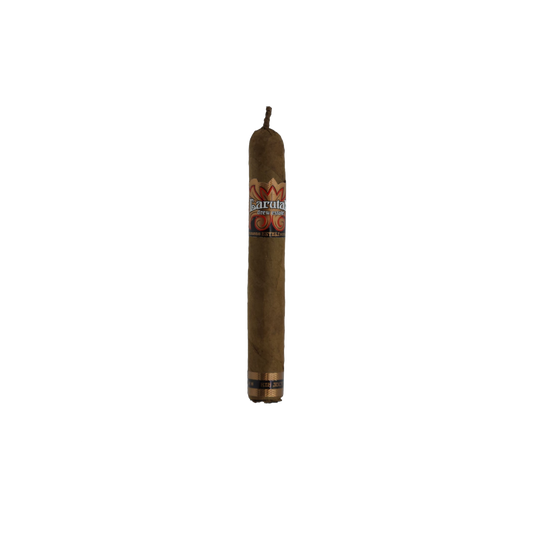


Larutan and Drew Estate’s search for aromatic leaf
Look closely at Larutan and you can read the brand’s original name backwards: Natural. Drew Estate kept that link when it renamed the line. The cigars occupy a particular place in the company’s work because much of their aromatic character comes from unusual choices of tobacco in the blend.
A blend behind each name
Dirt and Root sound like playful names for shapes. In Larutan they can also identify different recipes. That is an important distinction for anyone familiar with cigar lines in which the same tobacco is simply rolled to different dimensions. Drew Estate used the series to explore flavors and aromas that conventional cigar blends often leave aside.
Frequently asked questions
Is Larutan made by the same process as ACID?
Both are Drew Estate projects with distinctive aromas. ACID is associated with the house’s infusion process. Larutan explores aromatic tobacco blends and, on cigars such as Dirt, a sweetened tip. Aroma alone does not tell you which approach the maker used.
Why do old Natural bands and Larutan bands look like related brands?
They mark different names for the same Drew Estate project. Reversing the letters kept a visible reference to Natural when the company introduced the Larutan name.
Why might Larutan remind a pipe smoker of a familiar aroma?
Drew Estate combined Nicaraguan leaf with dark tobaccos associated with places such as Syria and Turkey. That wider choice of leaf gives some blends herbal or earthy qualities familiar from pipe tobacco.
Is the sweetness on the tip the whole flavor story in Dirt?
The sweetened cap is what the lips encounter first. The smoke itself comes from the blend of tobaccos, so the opening sweetness and the deeper aroma need not point to the same ingredient.